




🚸 Constipation in Kids: An Unusual and Silent Epidemic – Causes and Unani Treatment
Constipation in children (1 to 10 years old) is a common but often overlooked problem. In Unani medicine, it is called Qabz Muzmin. It not only causes discomfort but, if ignored, can lead to issues like stomach pain, irritability, poor appetite, lack of focus in studies, and growth problems.
This condition happens due to many reasons – unhealthy eating habits, lack of water, inactive lifestyle, mental stress, and some medical conditions. In this blog, we will explain in simple language the causes, prevention, and Unani treatment for constipation in children, along with international facts and references.
🤔 What is Constipation in Children?
Constipation refers to passing stools less than three times a week, producing hard, dry stools, or experiencing pain during defecation. Children may also complain of bloating, abdominal pain, or even loss of appetite. According to the World Gastroenterology Organisation, constipation is one of the most common gastrointestinal complaints among children worldwide.
Global Insights
A 2017 review in the Journal of Pediatrics found that constipation affects 9–27% of children globally, with higher rates in urbanized countries.
Constipation leads to significant emotional distress in children and impacts school attendance and quality of life.
According to NHS UK, constipation in children can be caused by dietary changes, stress, or withholding stools.
🔍 Causes of Constipation in Children (1–10 Years)
Constipation arises due to multiple factors. In Unani medicine, it is seen as an imbalance in Akhlat (humors) and Mizaj (temperament).
1. Humoral Imbalances (Unani Perspective)
Excess Balgham (Phlegm) – Cold and moist humor slows digestion and produces sticky stools. Common in toddlers with milk-heavy diets.
Excess Sauda (Black Bile) – Cold and dry humor hardens stools. Seen in older children with dry, processed, and low-fiber diets.
2. Temperamental Imbalance (Su’-i-Mizaj)
Cold and Dry Temperament – Slows bowel movements and causes hard stools.
Cold and Moist Temperament – Produces sluggish digestion and sticky stools.
3. Dietary Causes
Low intake of fiber-rich foods like fruits, vegetables, and whole grains.
Excessive milk intake, especially cow’s milk, slows digestion.
Less water intake, particularly in school-aged children.
Overconsumption of binding foods like white bread, refined flour, and unripe bananas.
4. Behavioral and Emotional Factors
Withholding stools due to fear of pain or unhygienic toilets.
Stress from school, new surroundings, or improper toilet training.
5. Lifestyle Factors
Limited outdoor play and sedentary habits (excessive screen time).
Irregular meal times and toilet routines.
6. Medical Causes
Conditions such as hypothyroidism, celiac disease, or Hirschsprung’s disease.
Medications like iron supplements and antihistamines can slow bowel motility.
👀 Symptoms Parents Should Watch For
Parents should observe their child’s bowel habits carefully. Early detection of constipation can prevent complications. The table below shows the symptoms and what they mean:
👉 If these symptoms last more than 1–2 weeks, parents should consult a doctor or a Unani physician for proper evaluation and treatment.
🌿 Unani Treatment Approach
Unani medicine treats constipation in a natural and gentle way. It focuses on balancing the body’s humors, improving digestion, and helping children pass stools regularly without strong side effects 🌱. The treatment mainly includes four approaches – pharmacotherapy (Ilaj bil Dawa), dietotherapy (Ilaj bil Ghiza), regimental therapy (Ilaj bil Tadbeer), and lifestyle correction.
1. Pharmacotherapy (Ilaj bil Dawa)
This includes using safe single herbs and mild Unani formulations that are effective for children.
🌿 Single Herbs
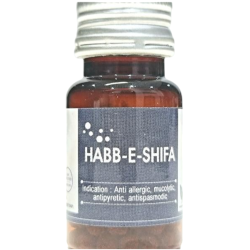
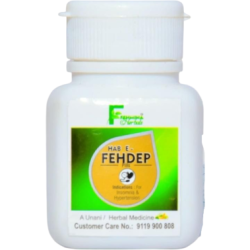
🧴 Compound Formulations
⚠️ Always consult a Unani physician to adjust the dosage according to the child’s age, weight, and health condition.
2. Dietotherapy (Ilaj bil Ghiza)
Diet plays a very important role in preventing and treating constipation in children. A balanced diet helps in softening stools and improving digestion.
✅ Recommended Foods
❌ Foods to Avoid
3. Regimental Therapy (Ilaj bil Tadbeer)
These are physical and supportive methods that naturally help in digestion and bowel movement in children.
4. Lifestyle Modifications
Prevention Strategies
Preventing constipation is easier than treating it. By making small changes in diet, routine, and toilet habits, parents can reduce the risk of constipation in children.
1. Offer high-fiber meals
Include plenty of fiber-rich foods such as figs, papaya, guava, apples, spinach, carrots, pumpkin, oats, barley, and multigrain chapatis. Prepare meals in child-friendly forms like purees, soups, or cut fruits. Fiber helps add bulk to stools, makes them soft, and supports easy bowel movements.
2. Encourage hydration and active play
Make sure your child drinks enough water throughout the day (about 1–2 liters depending on age). Along with hydration, encourage at least 30–60 minutes of outdoor play, cycling, skipping, or any physical activity daily. This keeps stools soft, prevents dehydration, and helps the intestines work better.
3. Avoid frequent use of laxatives
Use natural remedies like soaked figs or raisins for mild constipation. Give medicinal laxatives only if a doctor advises. Overusing laxatives can make children dependent on them and weaken natural bowel movements.
4. Ensure toilets are clean and child-friendly 🚽
Maintain hygienic and safe toilets for children. Provide a footstool so their feet are supported while sitting. A comfortable and fear-free toilet experience encourages children to develop regular bowel habits.
International Evidence Supporting Unani Remedies
Plantago ovata has been proven to improve stool frequency and consistency in children (Journal of Pediatric Gastroenterology and Nutrition, 2019).
Ficus carica (Figs) contains soluble fiber and bioactive compounds beneficial for bowel health (Nutrients, 2018).
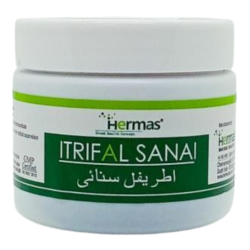
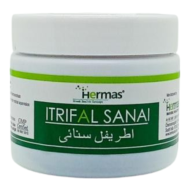
Traditional Unani formulations like Itrifal Mulayyin have shown safety and mild efficacy for constipation relief.
When to See a Doctor
Parents should seek medical advice if:
Constipation lasts for more than 2 weeks 📆.
The child has severe abdominal pain, vomiting, or blood in stools ⚠️.
There are signs of weight loss or delayed growth 📉.
Early medical consultation helps in diagnosing any underlying condition and prevents complications like fissures, fecal impaction, or poor growth.
Conclusion
Constipation in children is very common but can be managed effectively with the right approach. It should never be ignored because long-term constipation can lead to problems such as poor appetite, reduced growth, anal fissures, and emotional stress in children.
Unani medicine offers gentle and natural solutions through safe herbal remedies like ispaghol, figs, and Itrifal Mulayyin, combined with healthy diet changes 🥗, regular massage 💆♀️, and proper lifestyle habits 🏃♂️. Parents play an important role by:
Providing fiber-rich meals and enough fluids.
Encouraging regular toilet habits.
Ensuring their child stays active with daily play and exercise.
If constipation does not improve with these measures, consulting a pediatrician or an Unani physician is essential. Early treatment can prevent complications and support the child’s healthy growth and development. By combining Unani remedies with healthy habits, constipation can be relieved naturally, improving the child’s comfort and overall well-being.
References
Koppen IJN et al. Prevalence of Functional Constipation in Children. Journal of Pediatrics. 2017.
Tabbers MM, Benninga MA. Constipation in Children: Facts and Fiction. Pediatric Gastroenterology and Nutrition. 2015.
Plantago ovata and Pediatric Constipation. Journal of Pediatric Gastroenterology and Nutrition. 2019.
Nutritional Profile of Figs. Nutrients. 2018.
NHS UK – Constipation in Children Guidelines.
🌐 Connect with The Hekim 🔹 Facebook Group: https://www.facebook.com/groups/thehekim/ 🔹 Facebook Page: https://www.facebook.com/thehekimofficial/ 🔹 Instagram: https://www.instagram.com/thehekimofficial/ 🔹 WhatsApp: +91-9807 562620
🚸 बच्चों में कब्ज़: एक आम और छुपी हुई समस्या – कारण और यूनानी इलाज
1 से 10 साल की उम्र के बच्चों में कब्ज़ एक बहुत आम लेकिन अक्सर नज़रअंदाज़ की जाने वाली समस्या है। यूनानी चिकित्सा में इसे क़ब्ज़ मज़मिनकहा जाता है। यह केवल असुविधा ही नहीं बल्कि लंबे समय तक रहने पर पेट दर्द, चिड़चिड़ापन, भूख की कमी, पढ़ाई में ध्यान न लगना और बच्चों की वृद्धि रुक जाना जैसी समस्याओं का कारण बन सकता है।
कब्ज़ कई कारणों से होता है – गलत खानपान, पानी की कमी, शारीरिक गतिविधि की कमी, मानसिक तनाव और कुछ बीमारियां। इस ब्लॉग में हम कारण, रोकथाम और यूनानी इलाज को आसान भाषा में समझाएंगे और साथ ही अंतरराष्ट्रीय तथ्य और संदर्भ भी साझा करेंगे।
🤔 बच्चों में कब्ज़ क्या है?
कब्ज़ का मतलब है कि बच्चा हफ्ते में तीन बार से कम मल त्याग करता है, मल सख्त और सूखा होता है या मल त्याग करते समय दर्द महसूस करता है। बच्चे पेट फूलने, पेट दर्द या भूख कम लगने की शिकायत कर सकते हैं।
अंतरराष्ट्रीय तथ्य
जर्नल ऑफ पीडियाट्रिक्स (2017) की एक समीक्षा रिपोर्ट के अनुसार, दुनिया भर में 9–27% बच्चे कब्ज़ से प्रभावित होते हैं और यह समस्या शहरी क्षेत्रों में अधिक पाई जाती है।
कब्ज़ बच्चों में भावनात्मक तनाव पैदा करता है और उनकी पढ़ाई तथा जीवन की गुणवत्ता को प्रभावित करता है।
NHS UK के अनुसार, खानपान में बदलाव, तनाव या मल रोकने की आदत बच्चों में कब्ज़ का कारण बन सकती है।
🔍 बच्चों में कब्ज़ के कारण (1–10 वर्ष)
कब्ज़ कई कारणों से हो सकता है। यूनानी चिकित्सा के अनुसार यह अख़लात (ह्यूमर) और मिज़ाज (टेम्परामेंट) के असंतुलन से जुड़ा होता है।
👀 माता-पिता किन लक्षणों पर ध्यान दें
👉 अगर ये लक्षण 1–2 हफ्ते से ज़्यादा रहें तो डॉक्टर या यूनानी हकीम से सलाह लें। लक्षण 1–2 हफ्ते से ज़्यादा रहें तो डॉक्टर या यूनानी हकीम से सलाह लें।
🌿 यूनानी इलाज की विधि
यूनानी चिकित्सा बच्चों में कब्ज़ का इलाज प्राकृतिक और हल्के तरीक़े से करती है। इसका मुख्य उद्देश्य ह्यूमर का संतुलन बहाल करना, पाचन सुधारना और नियमित मल त्याग को बढ़ावा देना है। इसमें चार मुख्य तरीके शामिल हैं – इलाज बिल दवा (दवाइयां), इलाज बिल ग़िज़ा (खानपान), इलाज बिल तदबीर (रेजिमेंटल थेरेपी) और जीवनशैली में सुधार।
1. इलाज बिल दवा (Pharmacotherapy)
यह तरीका बच्चों के लिए सुरक्षित और हल्की यूनानी औषधियों पर आधारित है।
🌿 एकल औषधियां
🧴 मिश्रित औषधियां
⚠️ दवा की सही मात्रा हमेशा बच्चे की उम्र, वजन और स्थिति के अनुसार यूनानी हकीम से सलाह लेकर ही तय करें।
2. इलाज बिल ग़िज़ा (Dietotherapy)
क्या न दें?
3. इलाज बिल तदबीर (Regimental Therapy)
4. जीवनशैली में बदलाव
रोकथाम के उपाय
कब्ज़ को रोकना, इलाज करने से आसान है। अगर माता-पिता खानपान, दिनचर्या और टॉयलेट की आदतों में छोटे-छोटे बदलाव करें, तो बच्चों में कब्ज़ की समस्या कम हो सकती है।
1. फाइबर युक्त भोजन दें
बच्चों के भोजन में अंजीर, पपीता, अमरूद, सेब, पालक, गाजर, कद्दू, जौ, ओट्स और मल्टीग्रेन रोटियां शामिल करें। इन्हें बच्चों के लिए आकर्षक तरीक़े से परोसें, जैसे सूप, प्यूरी या कटे हुए फलों के रूप में। फाइबर मल को नरम और bulky बनाता है जिससे मल त्याग आसान हो जाता है।
2. पानी और शारीरिक गतिविधि को बढ़ावा दें
बच्चों को दिनभर में उम्र के अनुसार लगभग 1–2 लीटर पानी पिलाएं। साथ ही, रोज़ाना 30–60 मिनट तक बाहर खेलने, दौड़ने, साइकिल चलाने या अन्य गतिविधियों के लिए प्रेरित करें। इससे मल नरम रहता है और आंतें सक्रिय रहती हैं।
3. लैक्सेटिव का बार-बार इस्तेमाल न करें
हल्की कब्ज़ की स्थिति में भीगे अंजीर या मुनक्के जैसे प्राकृतिक उपाय अपनाएं। दवाइयों वाले लैक्सेटिव तभी दें जब डॉक्टर सलाह दें। बार-बार लैक्सेटिव देने से बच्चों की आंतों की प्राकृतिक क्रिया कमज़ोर हो सकती है।
4. साफ और बच्चों के अनुकूल टॉयलेट
टॉयलेट को हमेशा साफ और सुरक्षित रखें। बच्चों के लिए फ़ुटस्टूल का इस्तेमाल करें ताकि बैठते समय उनके पैर सपोर्टेड रहें। आरामदायक और डर-रहित टॉयलेट अनुभव बच्चों को नियमित मल त्याग की आदत डालने में मदद करता है।
अंतरराष्ट्रीय शोध प्रमाण
प्लांटागो ओवाटा (इसपगोल) – जर्नल ऑफ पीडियाट्रिक गैस्ट्रोएंटरोलॉजी एंड न्यूट्रिशन (2019) में प्रकाशित शोध से पता चला है कि यह बच्चों में मल त्याग की संख्या और गुणवत्ता को बेहतर करता है।
फिकस कैरिका (अंजीर) – न्यूट्रिएंट्स (2018) में प्रकाशित अध्ययन के अनुसार, इसमें घुलनशील फाइबर और बायोएक्टिव यौगिक होते हैं जो पाचन सुधारते हैं और आंतों की सेहत के लिए लाभकारी हैं।
इत्रिफाल मुलय्यिन – पारंपरिक यूनानी मिश्रण, जिसे हल्के और सुरक्षित रेचक (laxative) के रूप में प्रभावी पाया गया है, खासकर बच्चों में कब्ज़ से राहत देने में।---
कब डॉक्टर से मिलें?
अगर आपके बच्चे में कब्ज़ के लक्षण लंबे समय तक बने रहें, तो तुरंत डॉक्टर से सलाह लेना ज़रूरी है। निम्न स्थितियों में चिकित्सक से संपर्क करें:
कब्ज़ 2 हफ्ते से अधिक समय तक रहे 📆।
बच्चे को तेज़ पेट दर्द, उल्टी या मल में खून आए ⚠️।
बच्चे का वजन कम हो रहा हो या उसकी वृद्धि धीमी लग रही हो 📉।
समय पर डॉक्टर से परामर्श लेने से किसी छुपी हुई बीमारी का पता लगाया जा सकता है और गंभीर समस्याओं जैसे फिशर, मल जमाव या विकास में रुकावट को रोका जा सकता है।
निष्कर्ष
बच्चों में कब्ज़ एक आम समस्या है, लेकिन सही उपायों से इसे आसानी से नियंत्रित किया जा सकता है। इसे नज़रअंदाज़ नहीं करना चाहिए क्योंकि लंबे समय तक रहने वाला कब्ज़ भूख की कमी, वृद्धि में रुकावट, गुदा में दरार और मानसिक तनाव जैसी समस्याएं पैदा कर सकता है।
यूनानी चिकित्सा हल्के और प्राकृतिक इलाज प्रदान करती है। इसमें इसपगोल, अंजीर और इत्रिफाल मुलय्यिन जैसी सुरक्षित जड़ी-बूटियां, सही आहार 🥗, नियमित मालिश 💆♀️ और अच्छी जीवनशैली 🏃♂️ शामिल हैं।
माता-पिता की भूमिका सबसे महत्वपूर्ण है:
बच्चों को फाइबर युक्त भोजन और पर्याप्त पानी दें।
नियमित टॉयलेट की आदत डालें।
बच्चों को खेलकूद और शारीरिक गतिविधियों के लिए प्रेरित करें।
अगर इन उपायों से भी कब्ज़ में सुधार न हो, तो बाल रोग विशेषज्ञ या यूनानी हकीम से सलाह लें। समय पर इलाज करने से जटिलताओं से बचाव होता है और बच्चे का स्वस्थ विकास होता है।
सही खानपान और यूनानी इलाज के संयोजन से कब्ज़ को स्वाभाविक रूप से दूर किया जा सकता है और बच्चे की सेहत और आराम बेहतर बन सकता है।
🌐 Connect with The Hekim 🔹 Facebook Group: https://www.facebook.com/groups/thehekim/ 🔹 Facebook Page: https://www.facebook.com/thehekimofficial/ 🔹 Instagram: https://www.instagram.com/thehekimofficial/ 🔹 WhatsApp: +91-9807 562620
संदर्भ
Koppen IJN et al. Journal of Pediatrics. 2017.
Tabbers MM, Benninga MA. Pediatric Gastroenterology and Nutrition. 2015.
Plantago ovata and Pediatric Constipation. Journal of Pediatric Gastroenterology and Nutrition. 2019.
Nutritional Profile of Figs. Nutrients. 2018.
NHS UK – Constipation in Children Guidelines.
Related Products


4 Comment(s)
Very best article for construction in children.
Thank you so much for your kind words, Zafrul Mohsin! 😊🙏 We’re glad you found the article helpful. 👉 For more such informative posts on Unani health & wellness, please follow and like our Facebook page: 🔗 https://www.facebook.com/thehekimofficial/ Join us to stay updated with the latest tips, remedies, and health insights! 🌿✨
Good effort, keep it up
Thank you so much for your encouragement! 😊🙏 We truly appreciate your support. 👉 Stay connected with us for more Unani health tips & informative posts – 🔗 Follow our Facebook page for regular updates 🌿✨ 🔗 https://www.facebook.com/thehekimofficial/
A very good article with detailed explanation. Keep it up
Thank you so much for your kind words! 😊🙏 We’re glad you found it helpful. 👉 For more such informative posts, follow us on Facebook: https://www.facebook.com/thehekimofficial/ Stay connected for regular Unani health tips & updates! 🌿✨
Nice information
Please keep it up
Mostly focus on paediatric problems
Please guide proper dose
Thanks
Leave a Comment